
Letter M CRM Terms

CRM Glossary: Essential Terms Starting with “M”
Explore the most important “M” terms in Customer Relationship Management (CRM) to optimize marketing automation, multi-channel engagement, and mobile CRM strategies. These concepts, from Marketing Qualified Leads (MQLs) to Market Segmentation, help businesses increase conversions, personalize customer interactions, and enhance data-driven decision-making.
What You’ll Learn:
- Marketing Automation & AI-Driven CRM – Streamline workflows, campaigns, and lead scoring
- Multi-Channel & Mobile CRM Strategies – Engage customers across various platforms
- Market Intelligence & Data-Driven Insights – Improve customer targeting and retention
- Membership & Monetization Strategies – Manage subscriptions, loyalty programs, and recurring revenue
Key CRM “M” Terms Included:
- Marketing Automation – Using CRM tools to automate email, social media, and campaign workflows
- Multi-Channel CRM – Engaging leads and customers across multiple platforms (email, social, chat, etc.)
- Mobile CRM – CRM functionality optimized for mobile devices and on-the-go sales teams
- Marketing Qualified Lead (MQL) – A lead identified as likely to convert based on engagement signals
- Machine Learning in CRM – AI-driven algorithms that optimize predictions and customer segmentation
- Mass Emailing – Bulk email campaigns for lead nurturing and customer engagement
- Membership Management – CRM tools for subscription-based businesses and customer loyalty programs
- Market Segmentation – Dividing audiences into groups based on behaviors, demographics, and preferences
- Milestone Tracking – Monitoring customer progress and sales lifecycle stages
- Marketing ROI – Measuring return on investment from CRM-driven marketing efforts
- Metadata in CRM – Structuring customer data for improved search and segmentation
- Monthly Recurring Revenue (MRR) – Predicting and tracking recurring income from customers
- Marketing Funnel – Mapping out customer journeys from lead generation to conversion
- Microtargeting in CRM – Delivering highly personalized marketing messages based on data insights
- Multi-Touch Attribution – Understanding how different interactions contribute to lead conversion
- Marketing Drip Campaigns – Automated email sequences designed to nurture leads over time
- Market Intelligence in CRM – Leveraging CRM data for strategic decision-making
- Marketing Budget Forecasting – Predicting campaign spend and ROI based on CRM analytics
- Marketing Performance Dashboard – Real-time reports on campaign effectiveness and audience engagement
- Marketing Chatbots in CRM – AI-powered bots for automated customer interactions and lead qualification
Why This Matters:
- Increase customer engagement by leveraging multi-channel and mobile CRM solutions
- Boost lead conversion rates with automated lead nurturing and personalized marketing
- Enhance data-driven decision-making through market segmentation and analytics
- Improve efficiency by using AI-driven marketing automation and workflow customization
Mastering these “M” terms in CRM will help businesses create highly personalized, data-driven, and scalable marketing strategies that increase customer loyalty and revenue.


Marketing Automation
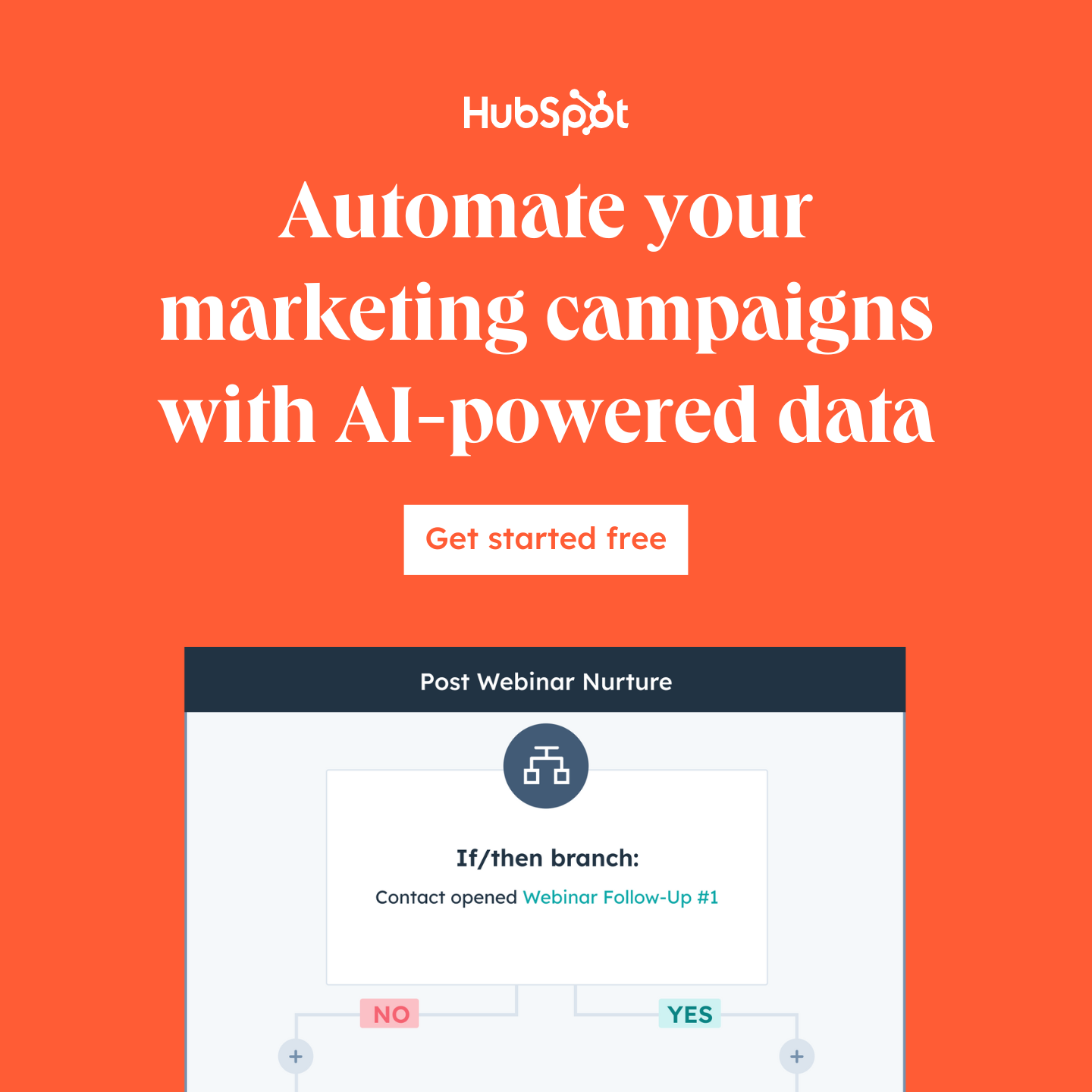
Marketing automation streamlines repetitive marketing tasks, such as email campaigns, lead nurturing, and social media scheduling, to improve efficiency and engagement. By integrating AI-driven workflows and behavioral triggers, businesses can personalize customer interactions, optimize sales funnels, and boost conversion rates. CRM platforms like HubSpot, Marketo, and Pardot offer automation tools that help scale marketing efforts while reducing manual workload. A well-implemented marketing automation strategy increases customer retention, improves ROI, and enhances team productivity, making it essential for modern digital marketing success.
Machine Learning in CRM
Machine learning in CRM leverages AI-driven insights to analyze customer behavior, predict sales trends, and automate engagement strategies. Businesses use predictive analytics, sentiment analysis, and automated lead scoring to enhance customer experience and retention. By integrating machine learning algorithms, CRM systems like Salesforce Einstein, Zoho AI, and Microsoft Dynamics 365 AI can provide data-backed recommendations, personalized outreach, and workflow automation, optimizing sales and marketing efficiency.
Mass Emailing
Mass emailing is a CRM-powered marketing strategy that enables businesses to send personalized email campaigns to large audiences efficiently. It is widely used for newsletters, promotional offers, product announcements, and customer retention campaigns. By leveraging segmentation, automation, and A/B testing, companies can improve email deliverability, engagement rates, and conversions. Platforms like Mailchimp, HubSpot, and Salesforce Marketing Cloud provide advanced tools to manage email personalization, analytics tracking, and compliance with anti-spam regulations.
Membership Management
Membership management enables businesses to track, engage, and retain members efficiently using CRM systems. This feature automates renewals, subscription tracking, communication, and engagement analytics, ensuring a seamless customer experience. Organizations such as subscription-based businesses, fitness centers, and professional associations rely on membership management tools to monitor activity, personalize interactions, and enhance customer satisfaction. By integrating AI-driven insights, automated workflows, and real-time reporting, businesses can optimize retention rates and drive long-term loyalty.
Multi-Channel CRM
Multi-channel CRM integrates customer interactions across various platforms, including email, chat, social media, and phone, ensuring a seamless user experience. Businesses use this system to track customer journeys, personalize engagement, and maintain consistent communication regardless of the channel. With a unified customer view, teams can deliver real-time support, targeted marketing, and improved sales coordination. Multi-channel CRM solutions like Salesforce, Zendesk, and Freshdesk help businesses optimize cross-platform engagement, boost customer satisfaction, and drive revenue growth.
Mobile CRM
Mobile CRM enables sales, marketing, and support teams to access customer data, manage leads, and close deals from smartphones and tablets. This tool enhances sales mobility, field service efficiency, and real-time decision-making by providing instant access to CRM dashboards, reports, and customer insights. Businesses using mobile CRM solutions such as Salesforce Mobile, Zoho CRM, and Microsoft Dynamics experience improved productivity, faster response times, and better customer engagement, especially for remote teams and field sales professionals.
Marketing Qualified Lead (MQL)
A Marketing Qualified Lead (MQL) is a prospect who has engaged with marketing efforts and shown a high potential for conversion. Businesses identify MQLs through website visits, content downloads, webinar attendance, and email interactions. CRM tools use lead scoring models and behavioral analytics to qualify MQLs before passing them to sales teams for further engagement. By focusing on high-intent leads, companies can improve conversion rates, shorten sales cycles, and maximize marketing ROI.
Master Data Management (MDM)
Master Data Management (MDM) ensures data accuracy, consistency, and reliability across multiple platforms by creating a single source of truth. Businesses use MDM to eliminate duplicate records, enhance customer insights, and improve decision-making. Integrated with CRM systems, AI analytics, and automation tools, MDM strengthens data governance and compliance, optimizing marketing and sales performance.
Monetization Strategy
A monetization strategy helps businesses convert customer relationships, engagement, and digital assets into revenue streams. CRM-driven monetization includes upselling, cross-selling, dynamic pricing, and subscription models. AI-driven insights help optimize pricing strategies and personalized offers, maximizing customer lifetime value and profitability.
Marketing Funnel
A marketing funnel helps businesses understand and optimize lead conversion rates by mapping out the customer journey from awareness to purchase. It consists of stages such as awareness, interest, consideration, decision, and retention. Businesses use CRM tools and marketing automation to track funnel performance, refine engagement strategies, and improve customer lifetime value (CLV). Optimizing the funnel ensures higher lead conversion, better audience targeting, and improved ROI.