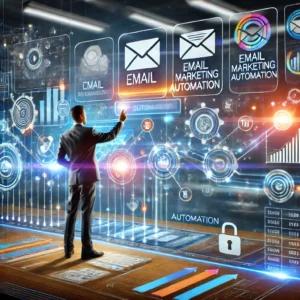

Marketing automation refers to the use of specialized software to streamline, automate, and measure repetitive marketing tasks such as email marketing, social media management, and customer segmentation. This technology allows businesses to improve efficiency, nurture leads, and personalize customer interactions at scale. By automating workflows, businesses can reduce manual effort while enhancing engagement through targeted campaigns. Modern marketing automation platforms integrate with CRM systems to track customer behaviors, score leads, and trigger actions based on predefined criteria. Companies that leverage automation see improved conversion rates, as they can deliver the right message at the right time. For example, an automated email sequence can nurture leads with personalized content, guiding them toward a purchase decision. Marketing automation also provides data-driven insights that help refine strategies for better ROI. With increasing customer expectations for timely and relevant interactions, businesses that adopt automation gain a competitive edge. The integration of AI and machine learning into marketing automation continues to evolve, enabling predictive analytics and hyper-personalization.

The Power of List Segmentation in CRMs for Targeted Marketing
Boost engagement and conversions with CRM-powered list segmentation! Learn how tools like HubSpot, Salesforce, and Zoho enable businesses to personalize marketing campaigns for enhanced targeting, retention, and automation. Learn the strategies that drive success.