
Why Understanding CRM is Vital for Modern Businesses
In today’s hyper-competitive market, businesses use more intelligent solutions to build and sustain meaningful customer relationships. Customer Relationship Management (CRM) is one solution that has revolutionized how companies operate. But what is CRM, and how does it work?
This article explores the essentials of CRM, from its definition and key components to the powerful ways it enhances business performance. You’ll learn how CRM databases work, the benefits of CRM integration, and why the CRM model is a game-changer. Whether you’re a seasoned marketer or new to the world of CRM, this guide will provide valuable insights to help you leverage CRM systems effectively.
Let’s dive into the world of CRM and discover how it’s shaping the future of business.
What is CRM? The Building Blocks of Customer Relationship Management
Customer Relationship Management (CRM) combines strategies, technologies, and practices businesses use to manage and analyze customer interactions throughout the lifecycle. The goal? To improve customer satisfaction, boost retention, and drive growth.
CRM isn’t just a software platform; it’s a strategic approach that integrates technology, processes, and teams to create a seamless customer experience. At its core, CRM revolves around understanding your customers’ needs, preferences, and behaviors and using that knowledge to deliver personalized, value-driven interactions.
Key Components of CRM
- Technology: CRM software is the backbone, enabling businesses to collect, store, and analyze customer data efficiently.
- Processes: Defined workflows ensure consistent and efficient customer interactions.
- People: Sales, marketing, and customer support teams collaborate using CRM to deliver unified service.
Industries Benefiting from CRM
CRM has become indispensable in retail, healthcare, finance, and real estate, where customer engagement and relationship-building are crucial. Whether a small business or a multinational enterprise, CRM can provide the tools you need to grow.
How Does CRM Work? Transforming Data into Actionable Insights
CRM systems are designed to simplify how businesses manage customer relationships by organizing data and providing actionable insights. But how do they work behind the scenes? At the core of CRM lies a seamless process that involves collecting, storing, and analyzing customer data to enhance decision-making and improve interactions. Let’s break it down.
How CRM Systems Function: A Closer Look
CRM systems work as centralized hubs where all customer-related information is stored and managed. This data is gathered through various touchpoints, such as websites, emails, social media, and customer service interactions. Here’s how it happens:
- Data Collection: CRM tools capture data like customer contact details, purchase history, and interaction preferences.
- Data Organization: The system organizes this data into a CRM database, ensuring it’s easily accessible for different teams.
- Data Analysis: Advanced analytics features allow businesses to identify trends, measure customer behavior, and predict future needs.
- Actionable Insights: CRM provides recommendations and insights, such as which leads to prioritize or how to improve marketing campaigns.
CRM Databases: The Heart of Customer Data Management
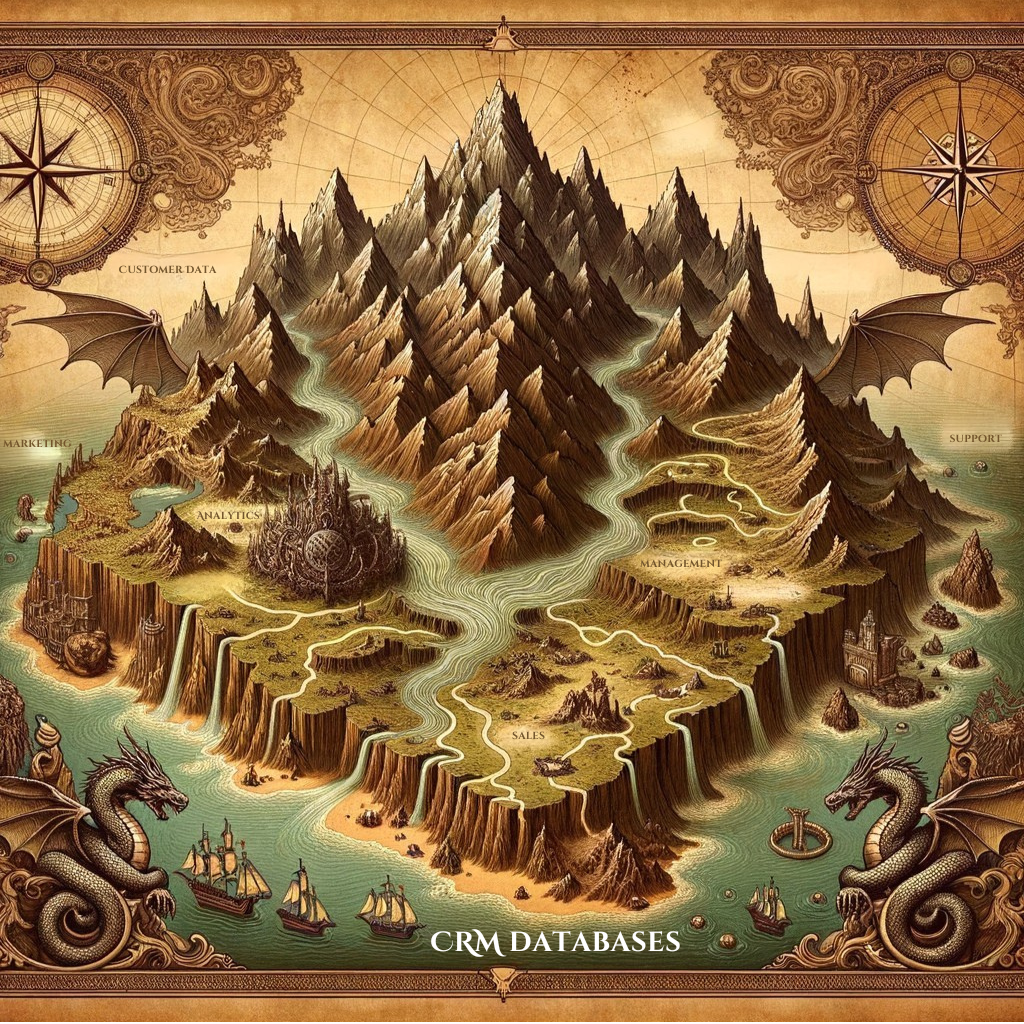
A CRM database is a repository for all customer-related data, providing a 360-degree view of your customer base. This unified data source ensures that teams across departments can access consistent and accurate information. Key features of a CRM database include:
- Contact Management: Centralized storage of customer and prospect contact information.
- Interaction Tracking: A detailed log of past interactions, ensuring personalized communication.
- Sales and Marketing Data: Insights into sales history, marketing campaign performance, and customer preferences.
Pro Tip: To learn more about CRM databases, read our article, “Understanding CRM Databases: How They Work and Their Benefits.”
Key Features of CRM Software That Drive Efficiency
CRM systems offer a wide range of tools and features to enhance productivity and collaboration:
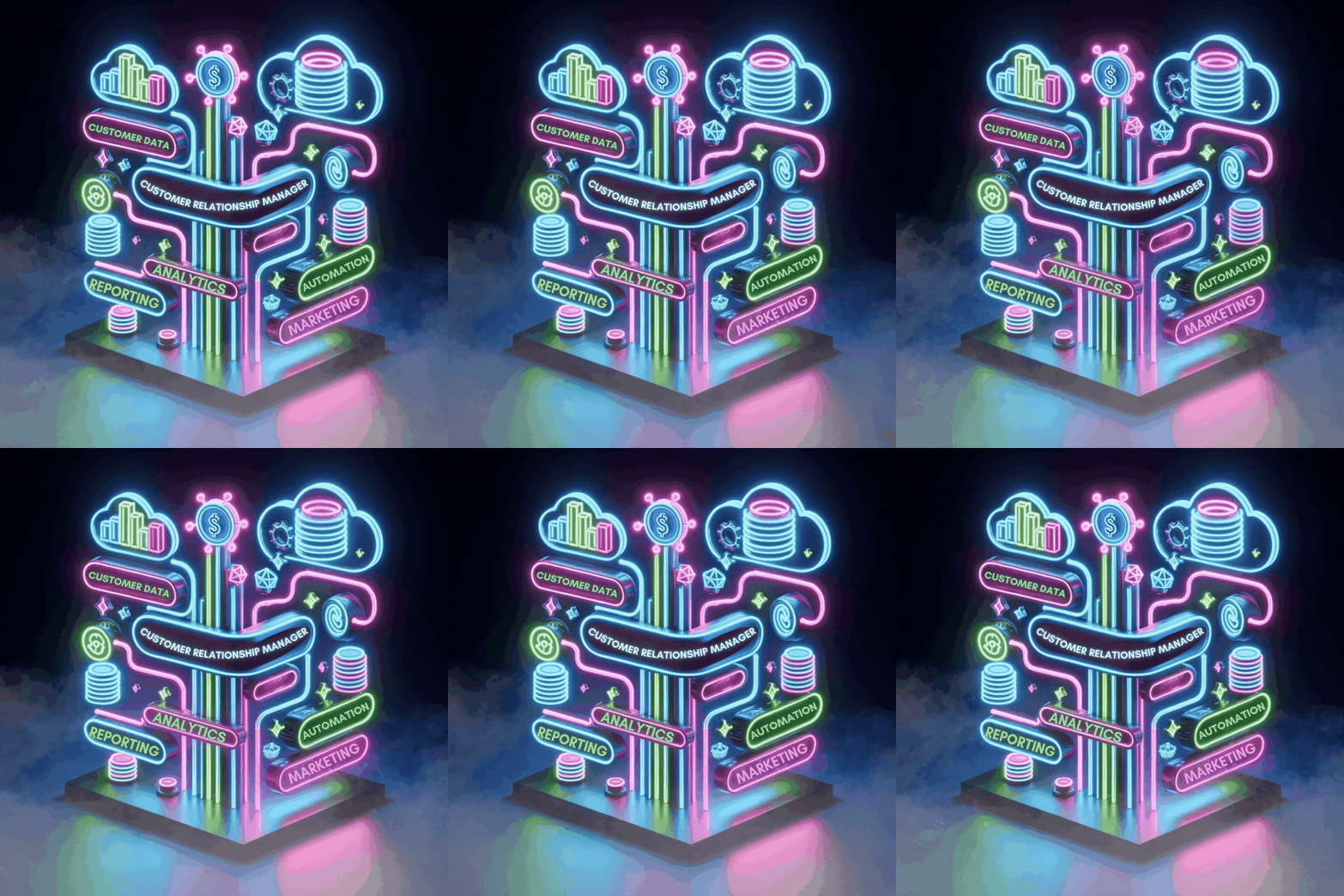
- Contact Management: Keep track of all customer information in one place.
- Marketing Automation: Automate email campaigns, social media posts, and lead nurturing workflows. CRMs like HubSpot offer programable automation that allows for automation across the CRM, making marketing actions more powerful.
- Sales Automation: Streamline processes like lead scoring, pipeline management, and follow-ups.
- Reporting and Analytics: Generate real-time reports to monitor performance and identify growth opportunities.
These features empower businesses to operate efficiently, save time, and focus on delivering an exceptional customer experience.
Key Benefits of CRM – Elevating Customer Relationships and Business Growth
A well-implemented CRM system offers numerous advantages that transform how businesses interact with customers and make decisions. CRM helps companies unlock their full potential by centralizing data and streamlining operations. Let’s explore the key benefits that make CRM an indispensable tool for modern businesses.
1. Improved Customer Experience: Personalized and Seamless Interactions
With CRM, businesses can deliver personalized experiences that resonate with customers. By accessing detailed customer profiles, preferences, and interaction histories, teams can tailor their communications and offerings to individual needs.
- Enhanced Responsiveness: Faster response times through integrated communication channels.
- Personalized Recommendations: Suggest products or services based on customer history and behavior.
- Consistent Service: Ensure uniformity across departments, creating a cohesive brand experience.
2. Enhanced Sales and Marketing Alignment
CRM bridges the gap between sales and marketing teams by providing a shared platform for collaboration. This alignment improves lead management and campaign performance.
- Lead Tracking: Identify and nurture prospects through the sales funnel.
- Campaign Optimization: Use CRM analytics to evaluate and refine marketing efforts.
- Cross-Selling and Upselling: Leverage customer insights to recommend complementary products.
3. Data-Driven Decision-Making: Turning Insights into Strategy
The real power of CRM lies in its ability to analyze vast amounts of data and provide actionable insights. Businesses can make informed decisions that drive growth.
- Customer Insights: Understand customer behavior and trends through data analytics.
- Performance Metrics: Monitor real-time sales, marketing, and customer service KPIs.
- Forecasting: Use historical data to predict future opportunities and challenges.
Further Reading: To understand how CRM frameworks support strategic decision-making, check out “The CRM Model: Key Concepts and Frameworks Explained.”
4. Increased Efficiency and Collaboration Across Teams
CRM systems improve productivity by automating repetitive tasks and providing a central hub for team collaboration.
- Task Automation: Streamline follow-ups, reminders, and data entry workflows.
- Shared Knowledge: Provide teams with unified access to customer information.
- Improved Communication: Foster collaboration between departments to deliver better results.
CRM Integration – Challenges and Solutions for Seamless Functionality
Integrating a CRM system with existing tools and processes is critical for maximizing its potential. However, businesses often face obstacles during implementation. This section will discuss common CRM integration challenges and practical solutions to overcome them.
1. Why CRM Integration is Essential for Business Success
A CRM system is most effective when it works harmoniously with other business tools, such as email marketing platforms, e-commerce systems, and analytics software. Integration ensures data flows smoothly between systems, creating a unified customer experience.
Benefits of CRM Integration:
- Streamlined Workflows: Reduce duplication of efforts by synchronizing systems.
- Centralized Data: Consolidate information from multiple sources for a holistic view of customer interactions.
- Improved Efficiency: Automate repetitive tasks and enable teams to focus on high-value activities.
2. Common Challenges in CRM Integration
Despite its advantages, integrating CRM can present hurdles, especially for businesses with legacy systems or complex operations. Key challenges include:
- Compatibility Issues: Older software or hardware may not easily integrate with modern CRM platforms.
- Data Silos: Isolated data across departments can hinder the flow of information.
- Lack of User Training: Employees unfamiliar with CRM systems may struggle with adoption.
- Cost and Time Constraints: Integration projects can be resource-intensive, particularly for smaller businesses.
3. Practical Solutions to Overcome CRM Integration Challenges
While these challenges seem daunting, strategic planning and tools can simplify the process. Here’s how businesses can address integration obstacles:
- Leverage APIs and Middleware: Application Programming Interfaces (APIs) and middleware tools act as bridges, connecting disparate systems to ensure seamless data flow.
- Conduct a Data Audit: Evaluate existing data for accuracy and relevance before migration to reduce errors and redundancies.
- Invest in Training: Provide comprehensive training to employees to ensure they are comfortable using the CRM system and integrated tools.
- Partner with Experts: Collaborate with CRM vendors or consultants specializing in integration to minimize downtime and errors.
Explore More: Learn about common integration issues in detail in our supporting article, “Top CRM Integration Challenges and How to Solve Them.”
4. Real-World Examples of Successful CRM Integration
Integrating a CRM system with existing tools and platforms has helped countless businesses across industries streamline operations, improve efficiency, and deliver exceptional customer experiences. Here are a few examples of successful CRM integration and the benefits achieved:
Retail Industry: Real-Time Inventory Management and Personalized Offers
A retail chain integrated its CRM with its point-of-sale (POS) and inventory systems. This integration allowed the company to:
- Track inventory levels in real-time, ensuring stock availability across multiple locations.
- Provide personalized offers based on purchase history and preferences, boosting customer satisfaction and sales.
For instance, if a frequent customer purchases skincare products, the system can automatically recommend complementary items or notify them of upcoming promotions.
Healthcare Industry: Streamlined Patient Care
A healthcare provider integrated its CRM with patient management software to improve scheduling and communication. This integration resulted in:
- Automatic appointment reminders, reducing missed consultations.
- A comprehensive view of patient records, enabling personalized care and better follow-ups.
The system also allowed staff to track and prioritize urgent cases, leading to higher patient satisfaction and improved care delivery.
E-Commerce Industry: Improved Customer Engagement
An e-commerce platform integrated its CRM with email marketing and social media tools. This enabled the company to:
- Send personalized product recommendations based on browsing and purchasing behavior.
- Retarget customers on social media with tailored ads, increasing conversions.
By automating these processes, the platform reduced manual effort while significantly increasing engagement and revenue.
Financial Services: Enhanced Client Portfolio Management
A financial services firm connected its CRM to investment management software. This integration allowed advisors to:
- Access up-to-date client portfolio information during consultations.
- Automate email alerts for clients about market changes and investment opportunities.
The firm reported improved client retention rates as customers felt their portfolios were managed proactively and carefully.
Hospitality Industry: Seamless Guest Experiences
A hotel chain integrated its CRM with its booking and loyalty program platforms, resulting in:
- Customized guest experiences, such as offering room upgrades based on customer preferences.
- Automatic rewards redemption, ensuring loyal customers receive benefits seamlessly.
This integration also allowed hotel staff to anticipate guest needs, such as special dietary requirements or celebration arrangements, creating memorable stays.
Why CRM Integration Matters Across Industries
These examples highlight how businesses in different sectors leverage CRM integration to improve operations, personalize interactions, and exceed customer expectations. Effective CRM integration unlocks value that can drive growth and customer satisfaction, Whether real-time inventory tracking, tailored marketing, or enhanced care delivery.
Why CRM Matters for Businesses Today
CRM is no longer just a tool; it’s a strategic asset that drives customer engagement, operational efficiency, and business growth. Businesses can unlock CRM systems’ full potential by understanding their components, benefits, and integration strategies.