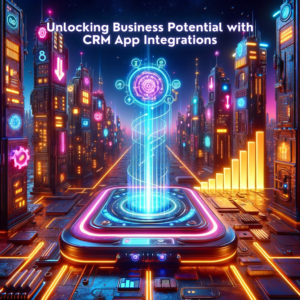
Sentiment scoring assigns numerical values to customer emotions based on interactions, reviews, and feedback. Using AI-powered sentiment analysis, CRM systems analyze text, voice, and social media interactions to determine customer sentiment as positive, neutral, or negative. This data helps businesses gauge customer satisfaction, detect emerging issues, and refine engagement strategies. Sentiment scoring is crucial in customer support, enabling companies to prioritize high-risk cases and proactively address dissatisfaction. By integrating sentiment analysis with CRM platforms, organizations can track customer trends and make data-driven improvements to service and marketing efforts.

The Power of List Segmentation in CRMs for Targeted Marketing
Boost engagement and conversions with CRM-powered list segmentation! Learn how tools like HubSpot, Salesforce, and Zoho enable businesses to personalize marketing campaigns for enhanced targeting, retention, and automation. Learn the strategies that drive success.