
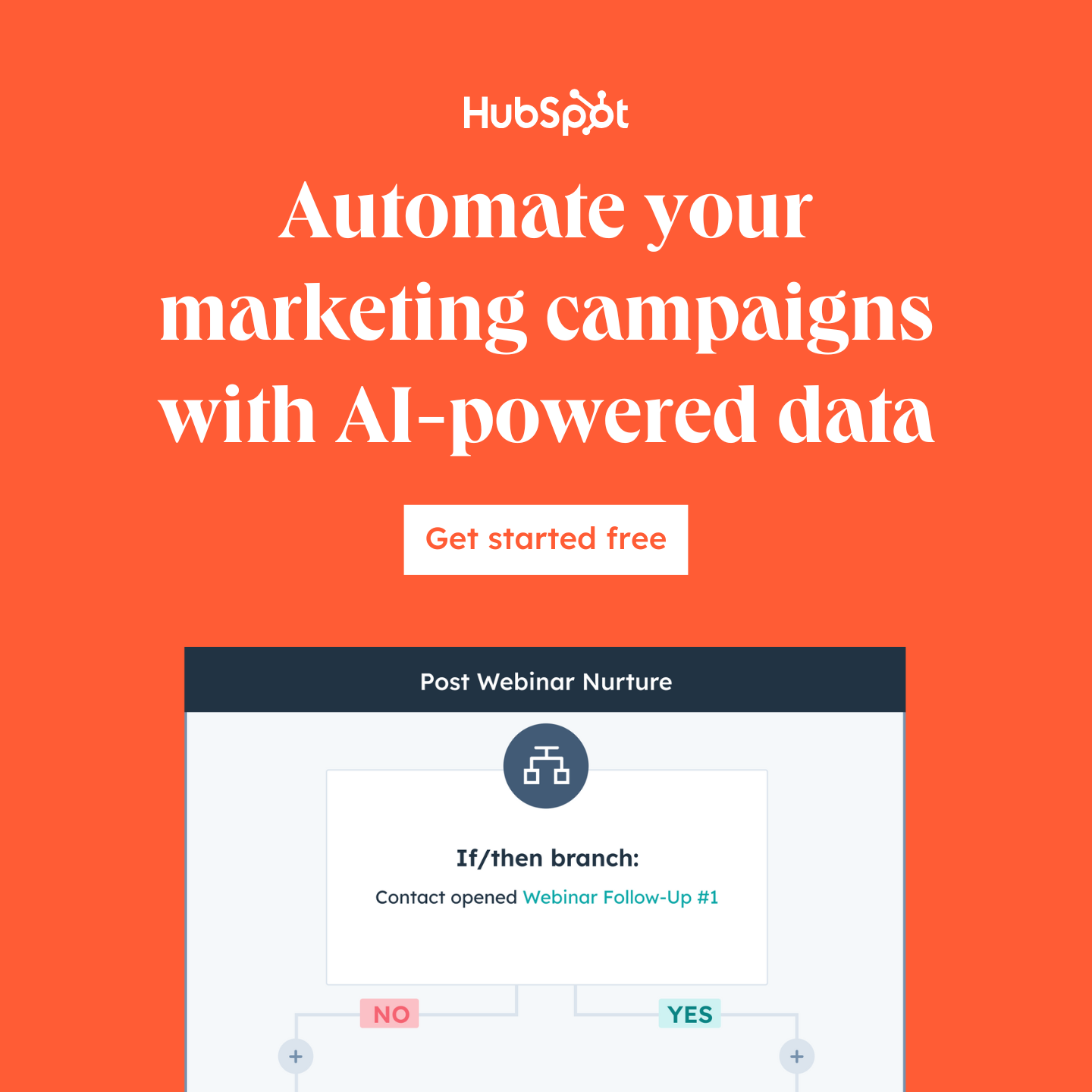
Flow-Based Automation in CRM refers to the use of predefined workflows to streamline business processes such as lead nurturing, customer follow-ups, and ticket escalations. Automation flows are triggered by specific conditions, such as form submissions, email responses, or deal stage changes. Businesses can create multi-step workflows that automatically assign tasks, send notifications, and update records. For example, when a lead fills out a form, the CRM can assign it to a sales rep, send a welcome email, and schedule a follow-up reminder. Advanced CRMs use AI to optimize automation flows based on customer behavior. By reducing manual tasks, businesses increase efficiency, improve response times, and enhance the customer experience. Flow-based automation is widely used in sales, marketing, and customer support to maintain seamless operations and ensure no leads or support tickets are neglected.


The Power of List Segmentation in CRMs for Targeted Marketing
Boost engagement and conversions with CRM-powered list segmentation! Learn how tools like HubSpot, Salesforce, and Zoho enable businesses to personalize marketing campaigns for enhanced targeting, retention, and automation. Learn the strategies that drive success.