
Letter E CRM Terms

CRM Glossary: Essential Terms Starting with “E”
Master the key Customer Relationship Management (CRM) terms starting with “E” to enhance your sales, marketing, and customer engagement strategies. From email automation to enterprise CRM, these terms are vital in streamlining customer interactions and optimizing business operations.
What You’ll Learn:
- Core email marketing and automation terms to improve outreach
- Enterprise CRM strategies for large-scale customer management
- Event-based marketing and engagement metrics to measure success
- Insights into data integration, employee productivity, and workflow automation
Key CRM “E” Terms Included:
- Email Automation – Automating email sequences for lead nurturing and engagement
- Email Open Rate – The percentage of recipients who open marketing emails
- Engagement Score – A metric to assess customer interaction levels
- Enterprise CRM – CRM systems designed for large-scale businesses
- Event-Based Marketing – Targeting customers based on real-time actions
- Experience Management – Enhancing customer interactions across touchpoints
- E-commerce CRM – Managing customer data in online retail environments
- Email Opt-In/Opt-Out – Managing customer subscription preferences
- Event-Based Lead Nurturing – Using events to personalize follow-ups
- Enterprise Workflow Automation – Streamlining business operations using CRM tools
- Email Retargeting – Re-engaging users based on their previous interactions
- Engagement Heatmap – Visualizing customer interaction trends for optimization
Why This Matters:
- Improve email marketing performance with segmentation, automation, and tracking
- Maximize customer engagement using behavioral insights and lead scoring
- Boost enterprise-level CRM strategies with data-driven decision-making
- Enhance event-based marketing with personalized messaging and automation
Learn how to integrate email marketing, enterprise CRM, engagement analytics, and workflow automation into your CRM strategy for better conversions and customer retention.

Event-Based Lead Nurturing
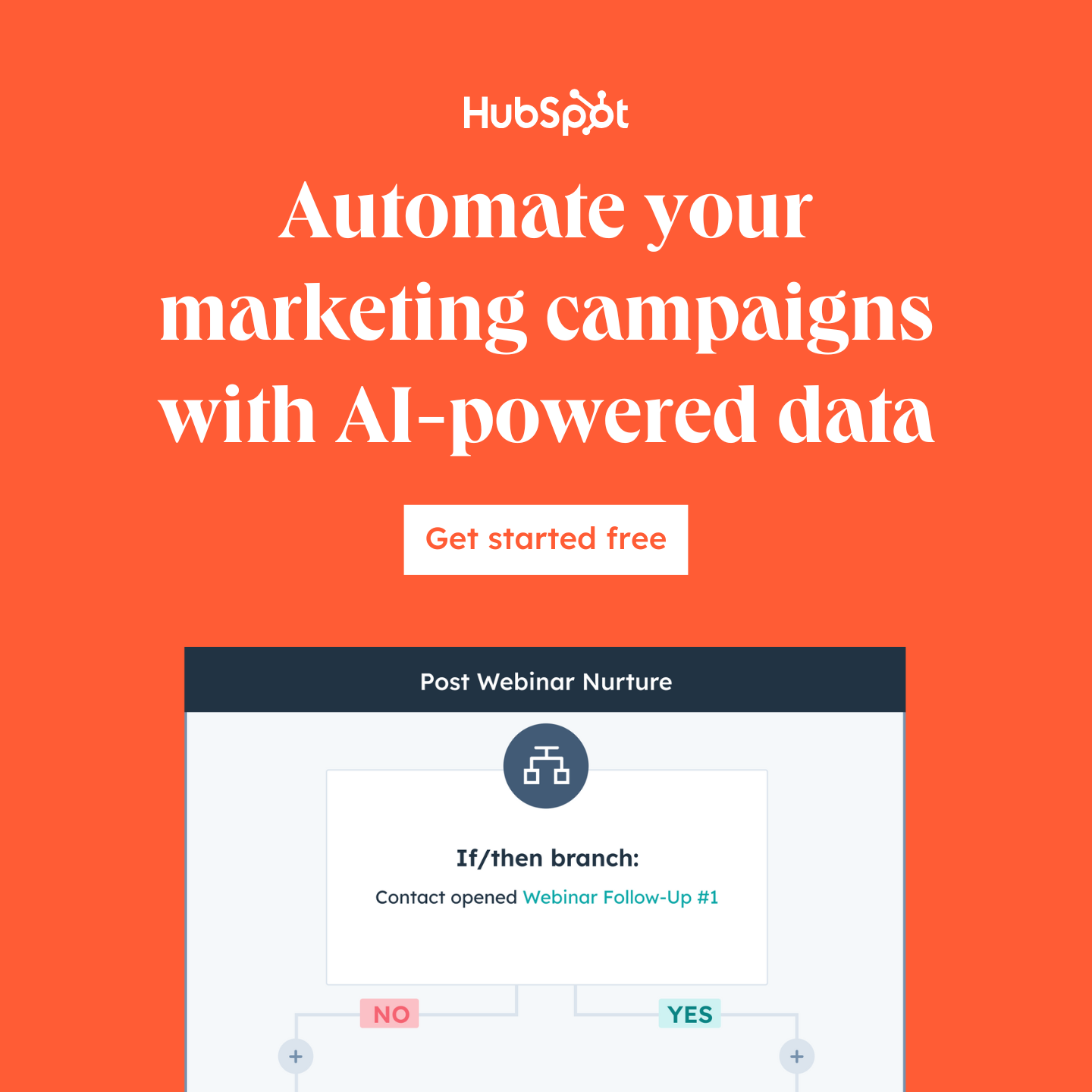
Event-Based Lead Nurturing is a CRM-driven strategy that triggers automated engagement based on specific customer actions (e.g., signing up for a webinar, opening an email, or downloading a resource). CRMs like Marketo, Pardot, and ActiveCampaign automate personalized follow-ups, educational content, and promotional offers to guide leads through the sales funnel. This ensures timely, relevant interactions that improve conversion rates and engagement. Businesses use event-based nurturing to maintain lead momentum, shorten sales cycles, and enhance customer experience.
Event Tracking
Event Tracking is the process of monitoring and analyzing customer interactions with digital or physical events. These interactions include website visits, form submissions, email opens, webinar attendance, and in-store purchases. Businesses use event tracking to optimize marketing efforts, measure engagement, and personalize outreach. Advanced CRMs and analytics tools like Google Analytics, HubSpot, and Segment enable real-time event tracking. By leveraging event tracking, companies can refine customer journeys, automate follow-ups, and increase conversions through data-driven insights.
Event Ticketing Integration
Event Ticketing Integration connects CRM systems with online ticketing platforms to manage registrations, track attendees, and analyze event success. This integration allows businesses to automate workflows, send personalized invitations, and capture attendee data for better event planning. Platforms like Eventbrite, Cvent, and Ticketmaster provide CRM integrations that enhance audience engagement, streamline operations, and measure ROI. Businesses leverage this data to improve event marketing, generate follow-up campaigns, and optimize future event strategies.
Event Sponsorship CRM
An Event Sponsorship CRM is a specialized system that manages sponsor relationships, commitments, and performance tracking. These CRMs integrate with event registration platforms, email marketing, and financial tracking tools to streamline sponsorship operations. Features include tier tracking, contract automation, and analytics. Event CRMs like Cvent and Eventbrite ensure sponsors receive agreed-upon exposure, such as logo placements, speaking opportunities, and lead access. This improves partnership management, enhances sponsor ROI, and builds long-term relationships.
Event ROI Measurement
Event ROI Measurement calculates the return on investment for webinars, trade shows, conferences, and networking events using CRM analytics. Businesses track attendance, engagement, lead conversions, follow-ups, and revenue generated from event-related sales. Platforms like Cvent, Eventbrite, and HubSpot offer built-in ROI tracking tools to measure event success. By analyzing event performance, businesses can optimize future events, adjust marketing spend, and justify budgets. Effective ROI measurement ensures that event investments contribute to business growth and customer acquisition.
Escalation Management
Escalation Management is the structured process of handling customer issues that require higher-level intervention within a CRM system. It ensures that critical cases are routed to senior support agents, managers, or specialized departments based on predefined criteria. Effective escalation workflows prioritize urgent issues, track resolution progress, and improve customer satisfaction. CRMs like Zendesk and Salesforce offer automated escalation rules based on issue severity, response times, and service level agreements (SLAs). Businesses rely on escalation management to resolve complex problems efficiently and prevent customer churn.
Event Management CRM
An Event Management CRM is a specialized system designed to plan, track, and optimize event-related activities. It helps businesses manage attendee registrations, automated reminders, post-event follow-ups, and engagement tracking. These CRMs integrate with ticketing platforms, social media, and email marketing tools to maximize event reach and participation. Key features include RSVP tracking, event calendars, and performance analytics. Companies use event CRMs for webinars, conferences, trade shows, and corporate events, ensuring streamlined coordination and higher event ROI.
Event Marketing CRM
An Event Marketing CRM is a specialized CRM system designed to manage event promotions, attendee engagement, and post-event follow-ups. These platforms integrate with event registration systems, email marketing tools, and social media to streamline event planning and maximize attendance. Businesses use event CRMs to send invitations, track RSVPs, manage speaker schedules, and analyze engagement. Platforms like Cvent and Eventbrite provide automation features that enhance event execution, measure ROI, and foster long-term attendee relationships.
Enterprise-Level Security
Enterprise-Level Security in CRMs involves advanced security protocols to protect business and customer data. Features include multi-factor authentication (MFA), role-based access controls (RBAC), data encryption, and AI-driven threat detection. Large organizations use CRMs like Salesforce and Microsoft Dynamics to implement enterprise-grade security, ensuring compliance with regulations like GDPR and HIPAA. Secure CRM environments prevent unauthorized access, data breaches, and cyber threats, ensuring business continuity and customer trust.
Enterprise-Level API Access
Enterprise-Level API Access refers to high-performance application programming interfaces (APIs) that enable large businesses to integrate CRM software with ERP systems, customer support platforms, and automation tools. These APIs facilitate seamless data exchange, automated workflows, and real-time synchronization of customer information. Platforms like Salesforce, Oracle NetSuite, and Microsoft Dynamics provide API solutions that connect complex business ecosystems, reduce manual errors, and scale operations efficiently.