The Power of Personalization in Driving Customer Loyalty
Why Personalization Matters in Modern Customer Engagement
In today’s highly competitive market, personalization is no longer just a luxury—it’s a necessity. Customers expect businesses to understand their unique needs, preferences, and behaviors. When companies deliver personalized experiences, they foster stronger emotional connections, increasing customer loyalty and long-term retention. However, achieving this level of engagement is challenging without the right tools and strategies.
The Pitfalls of Generic, Impersonal Customer Interactions
Many businesses still struggle with generic, one-size-fits-all approaches to customer engagement. Whether sending out mass emails irrelevant to the recipient or offering products that don’t align with a customer’s preferences, impersonal interactions can leave customers feeling undervalued. This lack of personalization often results in disengagement, reduced customer satisfaction, and lost business.
What to Expect: How CRM Personalization Transforms Customer Relationships
This is where CRM personalization comes into play. Modern CRM platforms allow businesses to harness customer data to deliver tailored marketing, personalized customer service, and loyalty strategies that resonate on an individual level. This article will explore how CRMs centralize customer information, automate personalized communications, and help businesses create meaningful experiences that drive customer loyalty and retention.
The Role of CRM in Customer Personalization
Centralizing Customer Data to Build Detailed Profiles
At the heart of CRM personalization is centralizing customer data from various touchpoints into a single, unified platform. This includes contact information, purchase history, social media interactions, and customer service records. Platforms like HubSpot CRM and Zoho CRM excel at this, offering intuitive dashboards that consolidate data, making it easier to create comprehensive customer profiles. These detailed profiles provide valuable insights into individual preferences and behaviors, setting the stage for highly personalized engagement.
Tracking Purchases, Preferences, and Interaction History for Tailored Experiences
A key advantage of a personalized CRM is its ability to track past purchases, preferences, and interaction histories. This data allows businesses to anticipate customer needs, recommend relevant products, and provide timely solutions. For example, Keap specializes in helping small companies track customer interactions and automate follow-ups based on purchase history. If a customer frequently purchases a specific product, Keap can trigger reminders for restocking or suggest complementary items, making the customer feel understood and valued.
Automating Personalized Communication Based on Customer Behavior
One of CRM’s most powerful features for customer loyalty is its ability to automate personalized communication. By leveraging behavioral data, CRMs like Zoho and HubSpot CRM can trigger automated emails, offers, or messages tailored to each customer’s unique journey. Whether it’s a birthday discount, a thank-you note after purchase, or a reminder about an abandoned cart, these platforms help maintain consistent, meaningful interactions that foster long-term loyalty.
How CRM Improves Customer Retention
Segmenting Customers for Targeted Retention Strategies
One of the most effective ways CRM systems enhance customer retention is through customer segmentation. CRMs can group customers into specific segments for more targeted engagement by analyzing purchase history, engagement levels, and behavioral patterns. Salesforce and Microsoft Dynamics 365 are industry leaders in this area, offering advanced segmentation tools that allow businesses to create highly personalized retention campaigns tailored to different customer groups.
Using CRM-Driven Loyalty Programs to Encourage Repeat Business
CRM-driven loyalty programs are powerful tools for fostering repeat business. Platforms like SuiteCRM and SugarCRM allow for extensive customization, enabling businesses to design tailored loyalty programs that resonate with individual customer preferences. Whether offering exclusive discounts, personalized rewards, or VIP product access, these CRMs help companies create loyalty strategies that keep customers returning.
Enhancing Customer Lifecycles with Subscription-Based CRM Strategies
CRMs are crucial in managing customer lifecycles efficiently for businesses operating on a subscription model. Microsoft Dynamics 365 and Salesforce offer robust tools for automating renewal reminders, predicting churn risks, and personalizing subscription offers, ensuring consistent revenue and long-term retention. To explore how CRMs support subscription models, check out our article on CRM for Subscription-Based Businesses: Managing Customer Lifecycles Efficiently.
Personalized Marketing and Communication with CRM
AI-Driven Email Marketing Campaigns Tailored to Customer Behavior
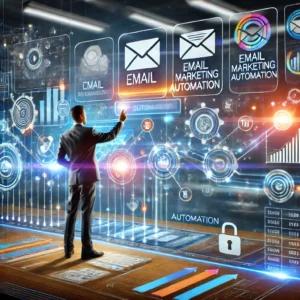
With the integration of AI-driven CRM tools, businesses can craft email marketing campaigns that respond to individual customer behaviors in real time. Freshworks and Pipedrive excel in this space, offering automated email workflows that adjust based on customer actions, such as website visits or past purchases. These tools ensure every message feels relevant and timely, increasing open rates and driving conversions.
Dynamic Website Content and Personalized Product Recommendations
CRMs go beyond email to influence dynamic website content and personalized on-site experiences. monday.com CRM allows businesses to display tailored content and personalized product recommendations based on user behavior, while Clientjoy helps freelancers and small businesses send targeted, personalized offers to their clients. These dynamic interactions enhance the customer journey and increase the likelihood of repeat purchases.
Targeting Customers with Exclusive Offers and Timely Reminders
A personalized CRM like Keap (Infusionsoft) or HubSpot CRM allows businesses to target customers with exclusive offers and reminders that align with their preferences. Whether VIP discounts for loyal customers or personalized reminders about expiring deals, these platforms make it easy to deliver timely, relevant content that strengthens customer relationships and boosts loyalty.
Revolutionizing Customer Interactions with AI-Powered CRM Automation
The role of AI in CRM extends beyond personalization—it revolutionizes how businesses engage with customers across all channels. AI transforms customer interactions into seamless, meaningful experiences by automating repetitive tasks and delivering hyper-personalized content. To learn more about how AI optimizes CRM functionality, check out our article on AI-Powered CRM: How Automation Revolutionizes Customer Interactions.
CRM in Customer Support: Personalized Service for Higher Satisfaction
Empowering Support Agents with Complete Customer Histories
One key way personalized CRM enhances customer support is by providing agents with complete customer histories. Platforms like Zendesk and Salesforce excel in this area, giving support teams access to comprehensive customer data—including past purchases, previous interactions, and preferences—allowing for faster, more personalized resolutions. This approach improves efficiency and makes customers feel valued and understood.
Automating Customized Responses Based on Previous Interactions
CRMs also streamline customer support by automating customized responses. Bitrix24 and Zoho CRM offer robust automation tools to generate tailored replies based on a customer’s history and previous support tickets. For instance, if a customer has reported an ongoing issue, these platforms can automatically reference previous cases, ensuring continuity and reducing customer frustration.
Optimizing Support Workflows for Faster, Personalized Service
By integrating CRM personalization into support workflows, businesses can achieve both speed and personalization in customer service. Automated ticketing systems, AI-driven sentiment analysis, and personalized follow-ups ensure that each interaction is handled carefully and precisely. For more on optimizing support workflows and reducing response times, check out our article on How CRM Optimizes Customer Support Workflows and Reduces Response Times.
Measuring the Impact of CRM Personalization on Customer Loyalty
Key Metrics to Track for Evaluating CRM Personalization Success
To understand how CRM personalization impacts customer loyalty, businesses need to track key metrics like Customer Lifetime Value (CLV), Repeat Purchase Rate, and Customer Satisfaction Scores (CSAT). Salesflare is particularly effective in monitoring engagement metrics like CLV, helping businesses assess how personalized interactions contribute to long-term customer value.
Using CRM Reports to Analyze Retention Trends and Engagement Levels
Modern CRMs offer powerful reporting tools to analyze retention trends and customer engagement. Zoho and HubSpot CRM provide robust analytics that allow businesses to track how personalization efforts impact customer loyalty over time. These insights help refine marketing and retention strategies to maximize customer satisfaction and long-term loyalty.
Tracking CRM Success with Essential Performance Indicators (KPIs)
Measuring the impact of CRM personalization isn’t just about retention—it’s about understanding the broader business value. Platforms like Microsoft Dynamics 365 and SuiteCRM offer comprehensive reporting features that track key performance indicators (KPIs), helping businesses optimize their strategies. To explore measuring CRM success, check out our guide on Measuring CRM Success: Key Performance Indicators (KPIs) Every Business Should Track.
Best Practices for Implementing CRM Personalization
Leveraging AI-Driven Behavioral Insights for Real-Time Personalization
To maximize the benefits of CRM personalization, businesses should leverage AI-driven behavioral insights for real-time engagement. Freshworks and Pipedrive offer advanced AI features that analyze customer behavior in real-time, allowing businesses to adjust their marketing and engagement strategies. This ensures that content and offers are always relevant to customers’ needs and interests.
Ensuring Seamless Data Integration Across Teams for Unified Personalization
Effective personalization relies on seamless data integration across marketing, sales, and support teams. Platforms like Salesforce and Microsoft Dynamics 365 are designed to provide a unified customer view, ensuring every department has access to the same, up-to-date information. This integration allows businesses to deliver consistent, personalized experiences across all customer touchpoints.
Personalizing Loyalty Rewards to Align with Customer Preferences
Customizing loyalty rewards based on customer preferences can significantly boost customer retention. CRMs like Keap (Infusionsoft) and SugarCRM allow businesses to tailor loyalty programs, offering rewards that resonate with individual customer behaviors and interests. Whether exclusive discounts, personalized product recommendations, or early access to new products, these platforms help businesses create loyalty strategies that drive repeat business.
CRM Personalization as the Key to Customer Loyalty and Retention
Why CRM Personalization is Essential for Building Lasting Customer Relationships
CRM personalization is more than just a marketing strategy—it’s a critical tool for fostering more profound, meaningful customer relationships. Platforms like HubSpot CRM, Zoho CRM, and Salesforce allow businesses to harness customer data, automate personalized interactions, and tailor experiences that resonate with individual needs. This personalized approach enhances customer satisfaction and drives long-term customer loyalty and retention.
Exploring CRM’s Broader Impact on Automation, Multichannel Engagement, and Retention
While personalization is a powerful driver of loyalty, it’s just one aspect of what CRM platforms can achieve. Tools like Freshworks and Microsoft Dynamics 365 enhance automation and streamline multichannel engagement, while CRMs like Zendesk and Bitrix24 optimize customer support workflows for a more cohesive customer experience. To explore how CRM impacts various business functions, check out our article on AI-Powered CRM: How Automation is Revolutionizing Customer Interactions.
Unlocking the Full Potential of CRM Across Key Business Functions
To fully leverage CRM personalization, businesses must recognize its role in transforming operations beyond marketing and support. From optimizing vendor relationships to improving data management, CRM systems like SuiteCRM and Pipedrive drive efficiency across all business aspects. Check out our guide on How CRM Impacts Key Business Functions for a comprehensive overview of CRM’s broader impact.