
Navigating CRM and ERP: Key Business Systems Explained
“Did you know that businesses using CRM and ERP systems see significant efficiency gains in customer management and operations?”
Integrating Customer Relationship Management (CRM) and Enterprise Resource Planning (ERP) systems can significantly enhance business efficiency. For instance, companies that have integrated these systems report a 27% increase in customer retention rates.
Additionally, ERP systems alone can boost order-to-shipment times by up to 23% and achieve inventory accuracy averages of 97%.
Combining CRM and ERP systems allows businesses to streamline operations, improve customer satisfaction, and drive productivity.
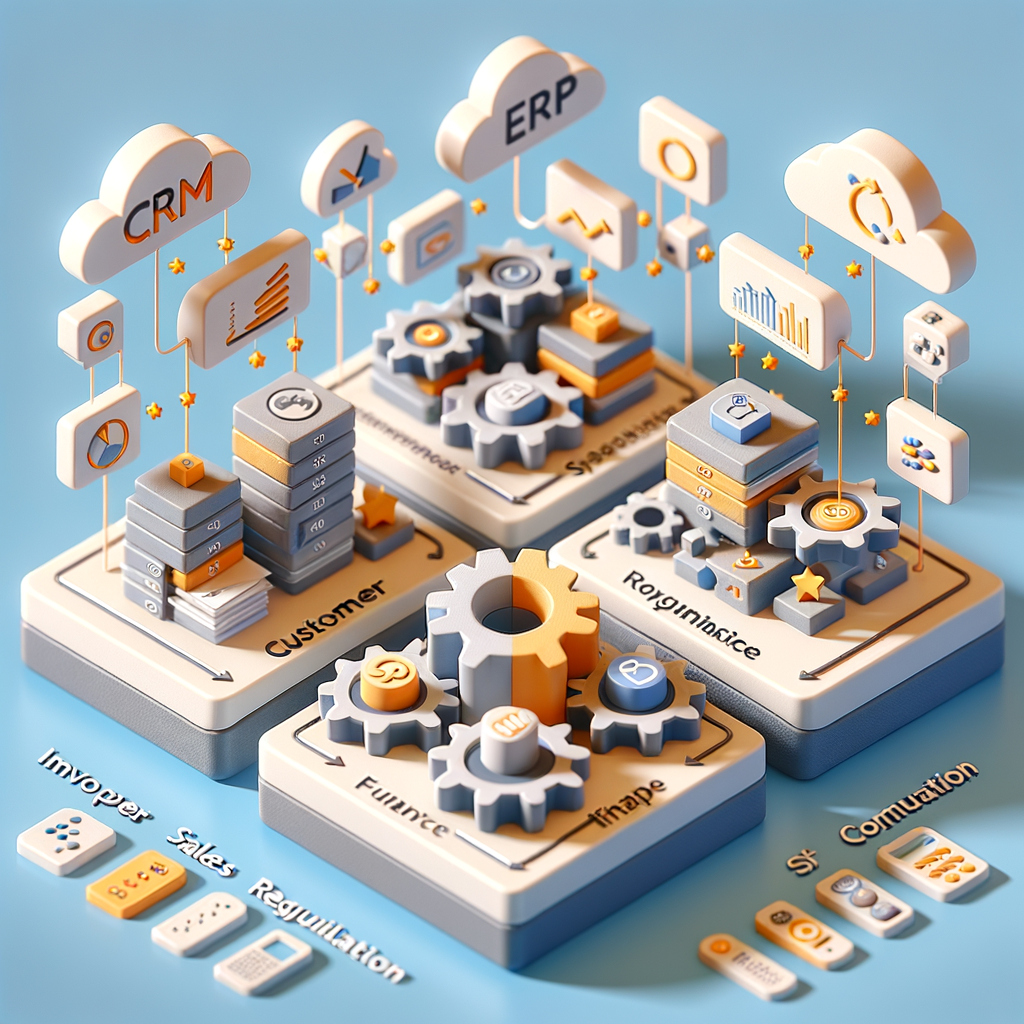
CRM (Customer Relationship Management) and ERP (Enterprise Resource Planning) systems are two pillars of modern business management. While CRM focuses on enhancing customer relationships and driving sales, ERP ensures seamless operations by integrating core business functions like finance, HR, and inventory management.
Despite their distinct roles, these systems are often misunderstood or considered interchangeable. However, when combined effectively, they create a powerful synergy that optimizes customer-facing and internal processes.
This article demystifies the differences between CRM and ERP, outlines their unique benefits, and explores how integration can revolutionize business operations using tools like Salesforce, Zoho CRM, and Microsoft Dynamics 365.
What is CRM?
CRM: Managing Customer Relationships
Customer Relationship Management (CRM) systems are designed to help businesses enhance their interactions with customers by organizing and optimizing how customer data is collected, stored, and used. CRMs focus on creating customer-centric operations that streamline communication, improve sales processes, and boost customer satisfaction.
CRMs centralize customer information and enable businesses to track leads, monitor sales pipelines, and deliver personalized interactions. These tools are essential for companies that strengthen relationships, improve retention rates, and drive revenue growth.
Key Features of CRM Systems
- Lead Management:
CRMs help businesses organize and nurture potential customers through structured lead tracking. By identifying high-priority leads and automating follow-ups, companies can enhance their chances of converting prospects into loyal clients. - Sales Tracking:
CRMs monitor sales pipelines, helping teams focus on closing deals efficiently. These systems visually represent each deal’s status, making prioritizing efforts and forecasting revenue easier. - Customer Communication:
A centralized communication platform ensures that every customer interaction is consistent and personalized. This improves the customer experience and fosters long-term loyalty.
Popular CRM Tools for Businesses
- HubSpot CRM: Known for its user-friendly design and robust marketing tools, HubSpot integrates seamlessly with other systems, making it an excellent choice for businesses focused on marketing automation.
- Clientjoy: Perfect for freelancers and agencies, Clientjoy combines client management with invoicing tools, streamlining operations for small teams.
- Pipedrive: Designed for sales-driven businesses, Pipedrive offers a visual sales pipeline that simplifies lead tracking and deal management.
Why Businesses Rely on CRM Systems
CRM systems are indispensable for companies looking to improve customer retention, enhance team collaboration, and increase revenue. CRMs empower businesses to deliver better experiences and achieve sustainable growth by streamlining customer interactions and automating repetitive tasks. Whether you’re a small startup or a large enterprise, CRM tools are the backbone of effective customer relationship management.
What is ERP?
ERP: Streamlining Business Operations
Enterprise Resource Planning (ERP) systems are designed to optimize how businesses manage their core operations by integrating essential processes into one centralized platform. ERPs facilitate the smooth coordination of departments such as finance, human resources, supply chain management, and production, enabling organizations to operate more efficiently and make data-driven decisions.
By centralizing data, ERPs eliminate redundancies, reduce manual errors, and provide real-time insights into business performance. This comprehensive approach enhances internal collaboration and ensures critical tasks are completed faster and more accurately, ultimately driving overall efficiency and reducing operational costs.
Key Features of ERP Systems
- Resource Planning:
ERP systems help businesses allocate resources effectively across various departments. From managing employee workloads to tracking production schedules, ERPs ensure optimal resource utilization, reducing waste and boosting productivity. - Supply Chain Management:
With tools to monitor inventory levels and streamline procurement processes, ERPs give businesses greater control over their supply chain. This reduces stockouts and overstocking, ensuring timely deliveries and satisfied customers. - Accounting and Finance:
ERPs automate financial tasks such as budgeting, payroll, and reporting, saving time and minimizing errors. Advanced analytics in ERP systems also help businesses forecast revenues and manage cash flow efficiently.
Popular ERP Tools
- Microsoft Dynamics 365: A robust solution that combines CRM and ERP functionalities, offering businesses a seamless platform for managing customer interactions and internal operations.
- SuiteCRM: Known for its open-source capabilities, SuiteCRM provides businesses with customizable ERP integration options, making it a flexible choice for diverse industries.
Why ERP Systems Are Indispensable
ERP systems are critical for businesses aiming to streamline operations, reduce costs, and improve decision-making. By integrating processes and providing real-time insights, ERPs help organizations become more agile, competitive, and efficient. Whether you’re a small business or a multinational corporation, ERP systems offer the tools needed to optimize workflows and achieve sustainable growth.
Key Differences Between CRM and ERP
CRM vs. ERP: How Do They Compare?
While both Customer Relationship Management (CRM) and Enterprise Resource Planning (ERP) systems are integral to business success, they serve distinct purposes and address different aspects of operations. Understanding these differences is crucial for businesses to determine whether they need one, the other, or a combination of both.
What CRM Focuses On
- Primary Purpose: CRMs are customer-centric tools that enhance relationships, improve sales efficiency, and streamline marketing efforts. They enable businesses to organize customer data, track leads, and deliver personalized experiences.
- Key Functions:
- Sales and Marketing: Tools like Zoho CRM and Salesflare help track sales pipelines, manage leads, and automate marketing campaigns to maximize customer engagement.
- Customer Support: CRMs centralize customer communication, ensuring consistent and efficient service. These fosters trust and loyalty.
- Examples in Action: A retailer might use Salesforce CRM to monitor customer purchasing habits, track preferences, and send personalized promotions to drive repeat business.
What ERP Focuses On
- Primary Purpose: ERP systems are internally focused, integrating core business operations such as finance, human resources, inventory, and supply chain management into one unified platform.
- Key Functions:
- Financial Management: ERPs like Microsoft Dynamics 365 automate budgeting, payroll, and accounting tasks, providing real-time financial insights.
- Resource Planning and Inventory Control: Tools like SuiteCRM offer ERP integrations to streamline inventory tracking, procurement, and resource allocation.
- Operations Management: ERPs facilitate efficient production schedules, workforce management, and supply chain coordination.
- Examples in Action: A retailer may rely on Microsoft Dynamics 365 ERP to track inventory levels, manage vendor relationships, and ensure timely restocking.
Example Scenario: A Holistic Approach
Consider a retail business that uses both systems:
- CRM Application: The company employs Salesforce CRM to monitor customer purchase histories, send personalized promotions, and improve customer service interactions.
- ERP Application: It simultaneously uses Microsoft Dynamics 365 ERP to manage inventory, optimize supply chain logistics, and automate financial reporting.
These systems create a seamless operation where customer-facing and internal processes work harmoniously.
Choosing Between CRM and ERP
The decision to adopt CRM, ERP, or both depends on a business’s specific needs:
- CRM is essential for companies looking to increase sales, improve marketing strategies, and enhance customer service.
- ERP is vital for streamlining internal processes, reducing operational costs, and improving decision-making.
Integrating CRM and ERP systems can provide a comprehensive solution for businesses that want a unified approach that boosts efficiency across all areas. Platforms like Microsoft Dynamics 365, which combine CRM and ERP functionalities, exemplify the power of integration.
Understanding these distinctions ensures businesses invest in tools that align with their goals and maximize operational effectiveness.
Benefits of CRM Systems
Why CRM is Essential for Your Business
Customer Relationship Management (CRM) systems are transformative tools that enhance how businesses interact with customers, streamline processes, and drive growth. By focusing on customer-centric operations, CRMs help organizations improve satisfaction, boost sales efficiency, and foster better team collaboration.
Key Benefits of CRM Systems
- Enhanced Customer Satisfaction:
CRMs give businesses a complete view of their customers, enabling personalized interactions. For example, Salesforce offers advanced tools that track customer preferences, purchase history, and communication patterns. This insight allows teams to deliver tailored experiences, fostering loyalty and increasing retention rates. - Sales Automation:
Repetitive tasks, such as sending follow-up emails or updating records, can consume valuable time. CRMs like Keap (Infusionsoft) automate these processes, allowing teams to focus on strategic, high-value activities like nurturing leads and closing deals. Automation not only saves time but also ensures consistency in customer outreach. - Real-Time Insights:
Platforms such as Freshworks CRM empower businesses with live updates and analytics. Real-time data enables support teams to respond proactively to customer needs, address issues quickly, and improve overall satisfaction. For example, a support team using Freshworks can identify patterns in customer queries and offer faster resolutions.
Building Stronger Relationships
CRM systems enhance communication, eliminate inefficiencies, and strengthen relationships by centralizing customer data and automating workflows. Whether you’re a small business or a large enterprise, investing in the right CRM ensures that your teams have the tools to deliver exceptional service and foster long-term customer loyalty. CRMs are more than just tools—they are essential partners in achieving sustainable business success.
Benefits of ERP Systems
Unlocking Efficiency with ERP Systems
Enterprise Resource Planning (ERP) systems are transformative solutions that centralize and integrate core business operations. By unifying processes like finance, supply chain, and HR, ERPs improve efficiency, reduce costs, and empower decision-making with data-driven insights. For organizations seeking sustainable growth, ERP systems are indispensable tools for streamlining operations and achieving long-term success.
Key Benefits of ERP Systems
- Streamlined Operations:
ERP systems eliminate silos by integrating workflows across departments, ensuring smooth coordination and reducing duplication of effort. For instance, SuiteCRM offers ERP integrations that connect inventory, finance, and customer data into a unified platform. This seamless coordination allows teams to work more efficiently, focusing on high-priority tasks without being bogged down by manual processes. - Comprehensive Reporting:
ERP systems’ robust reporting capabilities make decision-making more strategic. Tools like Microsoft Dynamics 365 provide real-time analytics and detailed performance reports, offering insights into financial trends and operational bottlenecks. These reports empower businesses to identify opportunities, address challenges, and allocate resources effectively. - Supply Chain Automation:
ERP systems simplify procurement, inventory management, and vendor coordination, ensuring smooth and cost-efficient supply chain processes. Automation reduces errors and inefficiencies, helping businesses avoid stockouts or overstocking. With precise inventory tracking and streamlined procurement workflows, ERPs ensure businesses can meet customer demands while optimizing costs.
Driving Growth and Precision
ERP systems help organizations operate with precision and agility by integrating essential business functions and providing real-time insights. Whether managing a global supply chain or handling internal financial operations, ERP systems like SuiteCRM and Microsoft Dynamics 365 offer the tools necessary to optimize workflows and reduce costs. For businesses seeking scalability and efficiency, ERP systems are a cornerstone of sustainable success.
The Power of CRM and ERP Integration
The Case for Combining CRM and ERP
Integrating Customer Relationship Management (CRM) and Enterprise Resource Planning (ERP) systems creates a powerful, unified platform that bridges the gap between customer-facing activities and internal operations. This integration delivers a holistic view of business performance, enabling better decision-making, streamlined workflows, and improved customer experience. CRM and ERP integration is a game-changing strategy for businesses seeking to maximize efficiency and scalability.
Key Benefits of CRM and ERP Integration
- Enhanced Customer Service:
Combining CRM and ERP systems allows businesses to deliver superior customer service by uniting customer insights with operational data. For example, integrating Zoho CRM with an ERP system ensures that customer service teams can access up-to-date information about inventory, order status, and delivery timelines. This real-time visibility enables teams to provide timely and accurate responses, enhancing customer satisfaction and loyalty. - Real-World Example:
A business that uses Salesforce CRM to track customer interactions and Microsoft Dynamics 365 ERP for financial management achieves seamless collaboration between sales and operations teams. Sales representatives can access ERP data to check inventory levels or shipping schedules, while the finance department can leverage CRM data for accurate invoicing and revenue forecasting. This synergy eliminates silos and ensures all teams work cohesively. - Efficiency Gains:
Integration platforms like Freshworks simplify workflows by automating repetitive tasks across CRM and ERP systems. For instance, when a new order is created in the CRM, the integrated ERP automatically updates inventory, triggers procurement processes, and generates financial entries. This eliminates duplication of effort, reduces errors, and accelerates task completion.
Unlocking Synergy Through Integration
By uniting the strengths of CRM and ERP systems, businesses can achieve operational excellence that standalone systems cannot provide. Integration enables a comprehensive approach to managing customer-facing activities and internal processes, ensuring data flows seamlessly across departments.
Whether improving customer service, enhancing collaboration, or streamlining workflows, the combined power of CRM and ERP systems helps businesses operate with greater efficiency and precision. CRM and ERP integration is necessary for organizations looking to scale and thrive in a competitive environment.
Choosing the Right CRM and ERP for Your Business
Finding the Perfect Match: CRM and ERP Selection Tips
Selecting the right CRM and ERP systems is a critical decision that can significantly impact your business’s efficiency, scalability, and success. The key is to align these tools with your business size, industry-specific needs, and long-term goals. Here’s how to make the right choice:
Tips for Choosing the Right Systems
- Small Businesses:
For small businesses, simplicity and affordability are paramount. Pairing budget-friendly CRMs like Pipedrive with accessible ERP solutions allows small teams to effectively manage customer interactions and internal processes. Pipedrive’s visual sales pipeline is ideal for tracking leads, while affordable ERP systems provide essential financial management and inventory tracking tools without overwhelming features or costs. - Enterprises:
Larger organizations require comprehensive solutions that integrate CRM and ERP functionalities seamlessly. Microsoft Dynamics 365 is a prime choice, offering robust tools for customer relationship management alongside advanced resource planning and analytics. This all-in-one platform is designed for scalability, making it suitable for managing complex workflows across multiple departments or geographic locations. - Industry-Specific Needs:
Different industries have unique requirements that should guide CRM and ERP selection.- Consultants and Freelancers: Tools like Keap (Infusionsoft) are ideal for consultants, offering email automation, lead nurturing, and client management features.
- Retail and E-commerce: Retail enterprises might prefer Salesforce for its powerful analytics, which enables data-driven marketing and personalized customer engagement. Retail-focused ERPs streamline inventory management and ensure accurate forecasting.
- Service Industries: Freshworks CRM integrates customer support with sales tools for service-heavy businesses, while ERP solutions with scheduling and workforce management features are invaluable.
Why the Right Choice Matters
Selecting CRM and ERP systems that align with your business’s needs ensures current functionality and future scalability. The right combination enables seamless collaboration between customer-facing teams and operational departments, improving efficiency and driving growth.
By tailoring your choice to your business size, goals, and industry, you can implement systems that support your operations, enhance customer relationships, and prepare your organization for sustainable success. Whether you’re a small startup or a global enterprise, finding the perfect match in CRM and ERP solutions is vital to achieving long-term business excellence.
CRM and ERP: A Winning Combination for Your Business
Bringing It All Together
CRM and ERP systems serve distinct yet complementary purposes. While CRM focuses on building customer relationships and driving sales, ERP ensures internal processes run efficiently. When integrated, these systems provide a holistic view of your business, enabling more intelligent decisions and streamlined operations.
Tools like Zoho CRM, Salesforce, and Microsoft Dynamics 365 demonstrate the immense potential of combining these systems. By leveraging the strengths of CRM and ERP, businesses can unlock new levels of efficiency, customer satisfaction, and growth.
Don’t wait—start exploring CRM and ERP solutions today and take the first step toward revolutionizing your business operations.