Introduction
Imagine sending personalized emails to thousands of customers at exactly the right time—without lifting a finger. With CRM-powered email automation, this isn’t just possible; it’s become necessary for businesses aiming to stay competitive in today’s digital landscape.
Manual email campaigns are time-consuming and prone to human error. But with CRM email automation, businesses can deliver targeted, timely, and personalized messages that foster deeper customer relationships, nurture leads, and boost retention. Whether you’re a small or large business, leveraging email automation through CRMs like HubSpot, Salesforce, ActiveCampaign, and Zoho can transform your marketing efforts and drive sustainable growth.
In this article, we’ll explore how automating email campaigns with CRM can increase customer engagement, improve retention rates, and drive revenue growth.
What is CRM Email Automation?
CRM email automation uses automated workflows to send targeted emails based on customer behavior, preferences, and interactions. Instead of manually crafting and sending emails, businesses can set up pre-defined triggers—like a customer making a purchase, signing up for a newsletter, or abandoning their cart—that automatically send personalized messages at the right moment.
Why It Matters:
Manual campaigns can’t scale efficiently. Automation ensures consistent communication while reducing the risk of errors, allowing businesses to focus on strategy and growth rather than repetitive tasks.
How CRM Email Automation Drives Customer Engagement and Retention
1. Personalized Messaging for Targeted Engagement
Personalization is at the heart of effective email marketing. CRM email automation enables businesses to segment their audience and deliver messages tailored to each individual’s interests, behaviors, and purchase history.
Example:
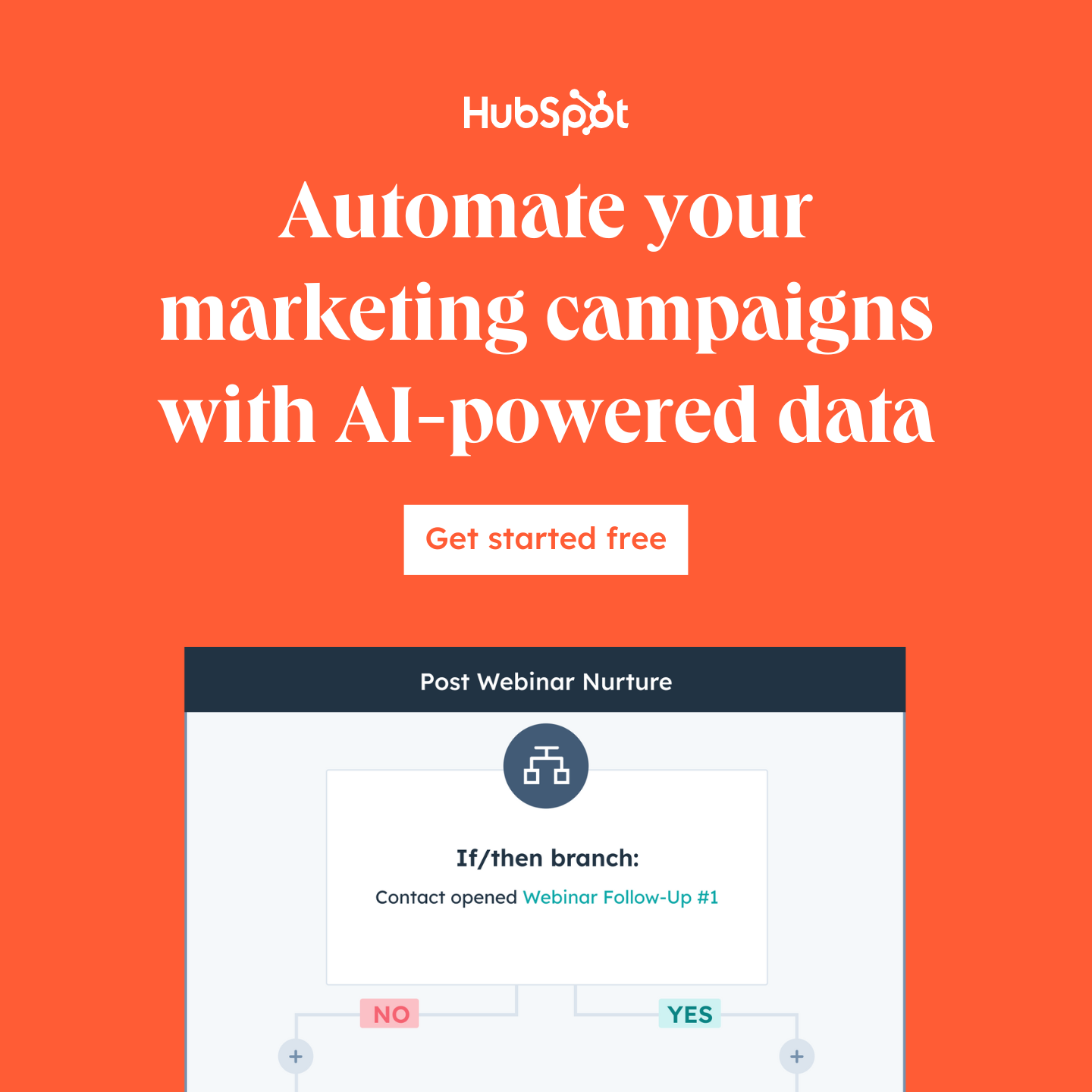
HubSpot’s email automation tools allow businesses to create dynamic segments based on user behavior, such as website visits, past purchases, or email interactions. For instance, a customer who frequently browses your product pages might receive personalized recommendations, while a long-time client could receive a loyalty reward.
Business Impact:
- Higher open rates and click-through rates due to relevant content.
- Increased customer loyalty through personalized experiences.
2. Timely and Relevant Communication
Timing is everything in marketing. CRM email automation ensures that customers receive timely messages triggered by their actions, increasing the likelihood of engagement.
Example:
ActiveCampaign automates follow-up emails based on customer behavior. If users abandon their cart, they automatically receive a reminder email within a few hours, often with a discount to incentivize the purchase.
Business Impact:
- Improved response rates and faster conversion cycles.
- Enhanced customer experience with timely, relevant communication.
3. Lead Nurturing Through Automated Workflows
CRM email automation isn’t just for existing customers—it’s also a powerful tool for nurturing leads. Automated drip campaigns guide prospects through the sales funnel, delivering valuable content that addresses their pain points and moves them closer to a purchase decision.
Example:
Salesforce’s Pardot allows businesses to create sophisticated drip campaigns that send educational content, product updates, and case studies to leads over time. This keeps your brand top-of-mind and builds trust with potential customers.
Business Impact:
- Higher conversion rates from nurtured leads.
- More qualified leads handed off to the sales team.
4. Enhancing Customer Retention with Lifecycle Emails
Email automation doesn’t stop after the sale. Lifecycle emails—like post-purchase follow-ups, renewal reminders, and loyalty program invitations—keep customers engaged and encourage repeat business.
Example:
Zoho CRM automates re-engagement campaigns for inactive customers. If a customer hasn’t purchased in six months, they might receive a personalized email with a special offer to bring them back.
Business Impact:
- Increased customer lifetime value (CLV).
- Reduced churn rates through consistent engagement.
Key CRM Features That Enhance Email Automation
1. Segmentation and List Management
Effective email marketing starts with audience segmentation. CRMs allow businesses to create smart lists that automatically update based on specific criteria, such as purchase behavior, location, or engagement history.
- Example: HubSpot’s smart lists dynamically update contacts based on user interactions, ensuring your emails are always relevant to the recipient.
2. Drip Campaigns and Autoresponders
Drip campaigns are a series of pre-scheduled emails designed to nurture leads or keep customers engaged over time. Autoresponders send immediate replies when a user takes a specific action, like signing up for a newsletter.
- Example: ActiveCampaign offers advanced drip campaign features, allowing businesses to set up complex workflows that adjust based on customer behavior.
- A/B Testing and Analytics
Testing is key to optimizing email performance. A/B testing allows businesses to experiment with different subject lines and content and send times to see what resonates best with their audience.
- Example: Salesforce Marketing Cloud provides robust A/B testing tools and detailed analytics, helping marketers refine their strategies for maximum impact.
4. Integration with Other Marketing Tools
CRMs integrate with various marketing tools—such as social media platforms, e-commerce systems, and analytics software—to create a cohesive marketing strategy that goes beyond email.
- Example: Zoho CRM integrates with Shopify, allowing businesses to automate post-purchase follow-ups, upselling emails, and abandoned cart reminders.
Real-World Examples: How CRM Email Automation Drives Results
Case Study 1: Boosting Engagement with HubSpot Email Automation
A SaaS company was struggling to convert trial users into paying customers. By implementing HubSpot’s email automation tools, they set up a series of personalized onboarding emails that guided users through key product features. As a result, the company increased email open rates by 45% and boosted trial-to-paid conversions by 30%.
Case Study 2: Increasing Customer Retention with ActiveCampaign
An e-commerce brand noticed a decline in repeat purchases and customer engagement. They turned to ActiveCampaign to automate re-engagement campaigns for inactive customers. By sending personalized discount offers and reminders, the brand reduced churn rates by 20% and increased repeat purchases by 25%.
Best Practices for Automating Email Campaigns with CRM
- Segment Your Audience Effectively:
Use behavioral and demographic data to create targeted segments, ensuring that your emails resonate with each audience group. - Set Clear Goals for Each Campaign:
Define what you want to achieve with each email—whether it’s lead nurturing, customer retention, or upselling—and tailor your content accordingly. - Use Personalization Tokens:
Include the recipient’s name, past purchases, or location to make emails feel more personal and relevant. - Test and Optimize Your Campaigns:
Regularly conduct A/B tests on subject lines, content, and send times to improve engagement rates. - Monitor Engagement Metrics:
Track open rates, click-through rates, and conversions to measure success and adjust your strategy as needed.
Conclusion
Automating email campaigns with CRM is a powerful way to drive customer engagement, nurture leads, and boost retention. By leveraging CRM features like segmentation, drip campaigns, and real-time analytics, businesses can deliver personalized, timely communication that fosters long-term relationships and drives revenue growth.